Inside the Bones Store: TV’s Top Crime‑Lab Show Secrets
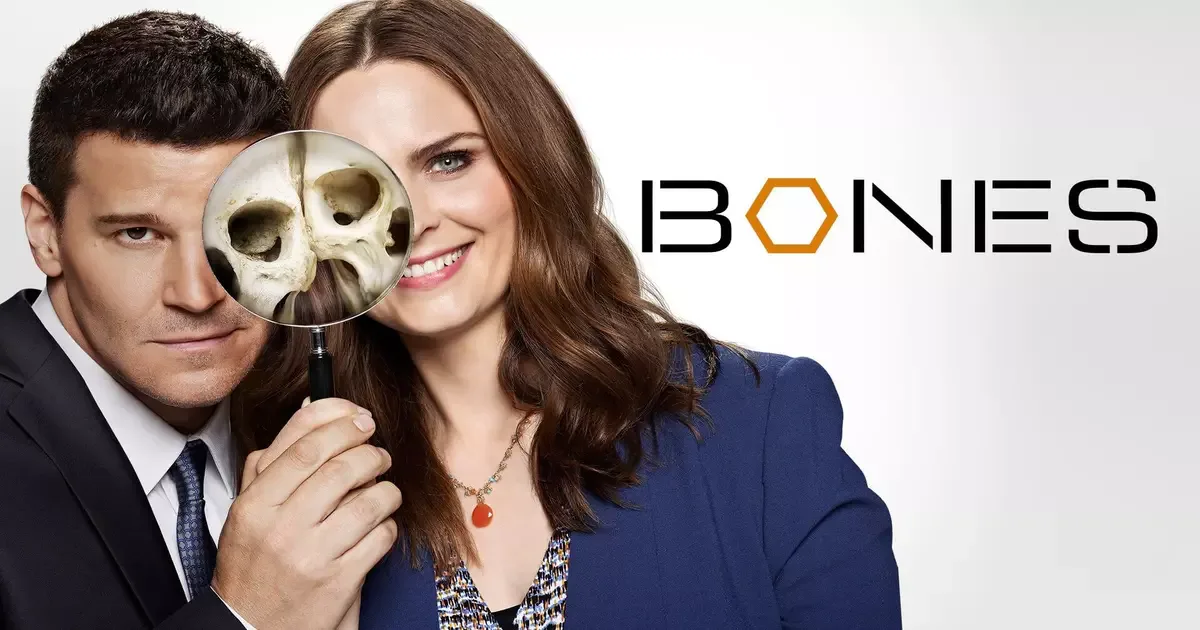
Ever wondered what really goes on behind the glossy screen of TV’s most beloved crime‑lab drama? The answer lies in the world of the Bones Store, the bustling hub where forensic magic meets meticulous storytelling. From the clang of metal instruments to the hushed whispers of expert consultants, every element is designed to keep viewers on the edge of their seats. In this deep dive, we’ll uncover the secrets that make the show feel so authentic, explore the real‑life inspirations that shape each episode, and reveal how the Bones Store fuels the series' relentless pursuit of scientific drama.
Behind the Scenes at the Bones Store
The Bones Store isn’t just a prop department; it’s a fully operational set that mirrors a genuine crime‑lab environment. Every table, microscope, and evidence bag is sourced from actual forensic professionals, ensuring that the visuals are as accurate as they are cinematic. Set designers collaborate with forensic consultants to select tools that reflect current best practices, from DNA extraction kits to fingerprint dusting powders. This attention to detail provides the audience with a credible backdrop, making the dramatic revelations feel plausible.
Beyond the visual authenticity, the Bones Store also serves as an educational resource for the cast. Actors spend hours training with real forensic scientists, learning the proper handling of evidence and the language of the lab. This immersion helps them deliver lines with convincing precision, turning scripted dialogue into a seamless blend of drama and science.
The Role of Real‑World Forensic Experts
Every season, a rotating roster of seasoned investigators and lab technicians is hired as consultants. Their job is to vet scripts for scientific accuracy, suggest realistic investigative techniques, and even rewrite scenes that stray too far from reality. By integrating true‑to‑life case studies, these experts ensure that each episode reflects the evolving landscape of forensic technology, from advanced isotopic analysis to next‑generation DNA sequencing.
These collaborations also lead to unexpected story twists. Occasionally, a consultant will bring a baffling real case to the table, inspiring a plot that challenges both the characters and the audience. This synergy between real forensic challenges and fictional storytelling keeps the series fresh, while subtly educating viewers about the complexities of modern crime solving.
How the Bones Store Shapes Audience Engagement
When viewers see the meticulous work happening in the Bones Store, they feel a deeper connection to the investigative process. The show’s creators deliberately showcase step‑by‑step procedures—such as the careful extraction of evidence, the deliberate calibration of instruments, and the methodical documentation of findings—to demystify the science. This transparency not only builds trust but also cultivates a fan base that appreciates the intellectual rigor behind the drama.
Social media buzz often spikes after episodes that feature particularly striking lab moments. Fans dissect every piece of equipment, debate the plausibility of techniques, and even attempt DIY versions of the experiments at home. The Bones Store’s authenticity fuels these conversations, turning casual viewers into active participants in the show’s community.
Conclusion
The allure of TV’s top crime‑lab series stems from a perfect marriage of storytelling and scientific credibility, and at the heart of it all lies the Bones Store. By providing a realistic set, partnering with genuine forensic experts, and prioritizing authentic procedures, the show delivers a compelling narrative that respects both the audience’s intelligence and curiosity. As long as the Bones Store continues to evolve with the latest advancements, viewers can expect even more thrilling, believable mysteries that keep them guessing—and learning—episode after episode.


